
Despite ongoing uncertainty and shifting policy signals, US financial markets outperformed expectations in the first half of the year. The S&P 500 delivered a 7.5 per cent total return, while 10-year Treasuries rallied to deliver a 4.2 per cent year-to-date return as yields fell 23 basis points.
US market dynamics continue to influence investor sentiment, capital flows, and central bank policy decisions on both sides of the border. In this update, we outline key developments that could shape the investment landscape in the second half of the year – and the trends mortgage investors should be watching closely.
Fiscal and Monetary Policy
With the One Big Beautiful Bill Act (OBBBA) now passed, what fiscal policy impacts are likely to shape the economic outlook? If the latest rounds of tax-cuts are made permanent, the federal deficit is expected to be around 6 per cent of GDP in both fiscal 2026 and 2027. Over the longer term, this trajectory could push the federal debt-to-GDP ratio above 100 per cent within a decade.
While tax cuts may provide a short-term boost over the next few years – most notably in the form of significant income tax refunds in the first half of 2026 – this stimulus is likely to be outweighed by the drag from higher tariffs. Tariff hikes typically act as stagflationary shocks, putting pressure on prices while weighing on economic growth and increasing the risk of a slowdown. As a result, the probability of a recession in the next 12 months has risen – not to concerning levels, but notably higher than earlier this year.
Demographic pressures could further constrain growth. A shift in immigration policy, combined with accelerating retirements among Baby Boomers, is expected to reduce the working-age population and limit labour force expansion. This could constrain economic growth over the near term.
These forces—higher tariffs, rising prices, and a tightening labour market—are likely to push consumer inflation higher by Q4 2025 and keep it elevated into 2026. While tax refunds may temporarily lift consumption, the broader inflationary pressures will likely keep the Federal Reserve cautious about rate cuts in the balance of the year. Chairman Powell is expected to take a conservative approach to easing policy to safeguard against fears of runaway inflation.
Financial Trends
In its mid-year review, Blackrock highlights a critical shift in market dynamics: the erosion of long-standing macroeconomic anchors that have underpinned markets for decades. As they note, “Inflation expectations are no longer firmly anchored near 2% targets. Fiscal discipline is ebbing away. The compensation investors want for holding long-term U.S. Treasuries is rising from suppressed levels. And confidence in institutional anchors – central bank independence and the haven role of U.S. assets – has been shaken.”
Historically, asset class returns tended to revert to their historical averages. However, with key macroeconomic anchors weakening, markets are increasingly reactive to short-term data, raising the likelihood of heightened volatility ahead.
Another key trend to watch is the trajectory of the US dollar. So far this year, the dollar has fallen 10 per cent against major currencies. Typically, during periods of financial uncertainty, the US dollar benefits from a safe-haven premium. The recent weakness has raised concerns about the greenback’s role as the backbone of the global financial system.
Apollo Chief Economist Torsten Slok suggests the depreciation of the US dollar could add as much as 0.3 percentage points to inflation. However, he also points to tight credit spreads and the strength of the US equity markets as evidence that the decline is likely due to increased hedging activity rather than broader concerns about the greenback’s status. Most international investors do not hedge their US positions, since they tend to benefit from a rising US dollar when markets become unsettled. The current environment may be shifting that behavior.
Blackrock notes that investors are now demanding a greater term premium to hold US bonds at the same time we are seeing a decline in the value of the dollar. Increased currency hedging could be contributing to this downward pressure. Still, Blackrock cautions that any shift in the role of the US dollar as the world’s reserve currency would take years, if not decades, similar to the long transition away from sterling and gold as dominant reserve assets.
Also worth noting are recent remarks by Treasury Secretary Bessent on the composition of the US federal debt. He criticized his predecessor, Janet Yellen, for relying too heavily on short-term Treasury issuance. Bessent believes long-term rates should come down as the market is well above the historical long-term rate. As a result, rather than extending the maturity profile (term-out) of federal debt, the Treasury may continue to borrow heavily at the shorter end of the yield curve. While this strategy may generate near-term interest savings, it could also provoke a pushback from capital markets if investor confidence begins to waver.
In summary, markets will likely remain constructive but volatile, given the erosion of traditional macroeconomic policy anchors. Government policy actions, particularly on fiscal and trade fronts, could continue to roil markets, keeping volatility elevated in the months ahead.
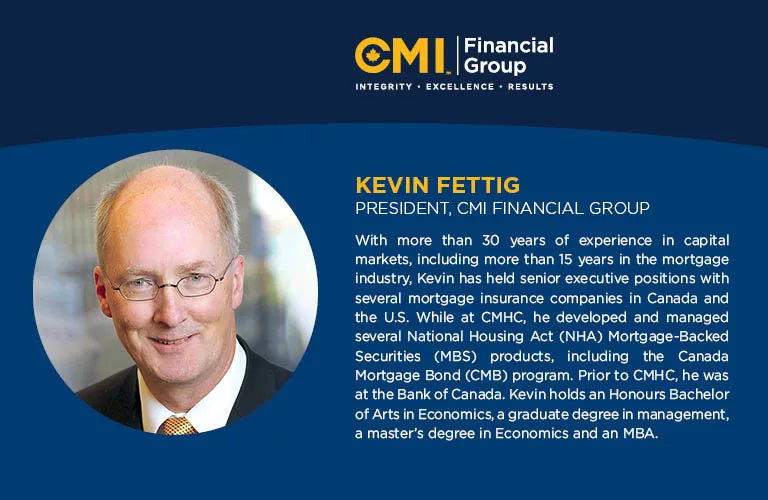
Independent Opinion
The views and opinions expressed in this publication are solely and independently those of the author and do not necessarily reflect the views and opinions of any person or organization in any way affiliated with the author including, without limitation, any current or past employers of the author. While reasonable effort was taken to ensure the information and analysis in this publication is accurate, it has been prepared solely for general informational purposes. Any opinions, projections, or forward-looking statements expressed herein are solely those of the author. There are no warranties or representations being provided with respect to the accuracy and completeness of the content in this publication. Nothing in this publication should be construed as providing professional advice including investment advice on the matters discussed. The author does not assume any liability arising from any form of reliance on this publication. Readers are cautioned to always seek independent professional advice from a qualified professional before making any investment decisions.
